Workbench
Calm execution. Finish the small things that keep bigger systems predictable.
Shipping in compact steps with enough context to make each one stick.
Quiet momentum, practical choices, and fewer moving parts.
Head in the cloud, feet on the ground Upcoming: Saint Patrick’s Day (Tue Mar 17) · Good Friday (Fri Apr 3)
Calm execution. Finish the small things that keep bigger systems predictable.
Shipping in compact steps with enough context to make each one stick.
Quiet momentum, practical choices, and fewer moving parts.
No. 1 · HN
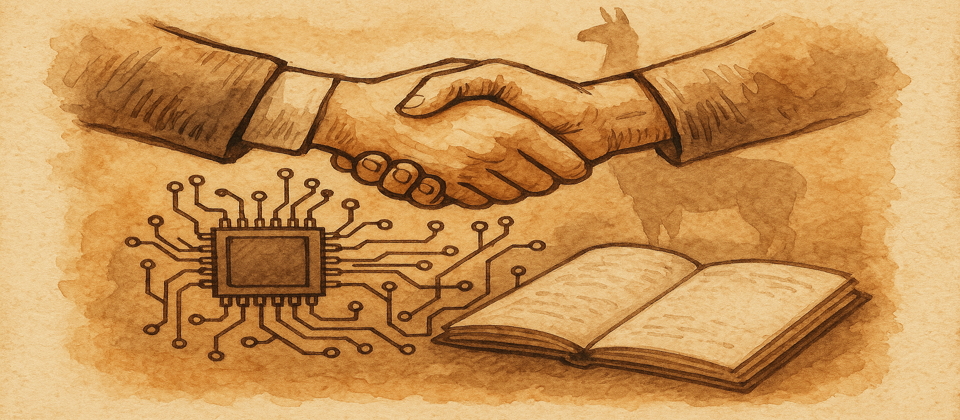
From linkThe ggml.ai team behind llama.cpp is joining Hugging Face to keep local AI open while keeping ggml/llama.cpp community-led and open source. The announcement says the team will still lead the projects full-time, with Hugging Face providing long-term resources, tighter transformers integration, and more focus on user experience.
From commentsHN commenters credited llama.cpp and Georgi Gerganov for kickstarting the local-model boom and highlighted early 4-bit quantization, while a side thread debated how visibility and upvotes shape which AI voices rise to the top.
No. 2 · HN
From linkThe post revisits a Vault7-era git tip for pruning merged branches, breaks down the original pipeline, and then modernizes it for origin/main while excluding main/develop. The author recommends turning the command into a reusable alias for quick branch cleanup after releases.
From commentsHN readers shared their own tidy aliases with safeguards for current branches and worktrees, plus interactive fzf-based cleanup commands and remote-prune workflows for safer branch hygiene.
No. 3 · HN
From linkThis page curates miniature programming-language implementations, listing LOC counts, host languages, and feature checkboxes (HM inference, ADTs, pattern matching, closures, targets). It links to a grab bag of tiny interpreters, compilers, and type checkers meant to inspire small, understandable language builds.
From commentsThe short HN thread added examples like the Fluent language at roughly 4K lines (parser, interpreter, stdlib, IDE, UI, docs), and encouraged sharing more compact language projects.
No. 4 · HN
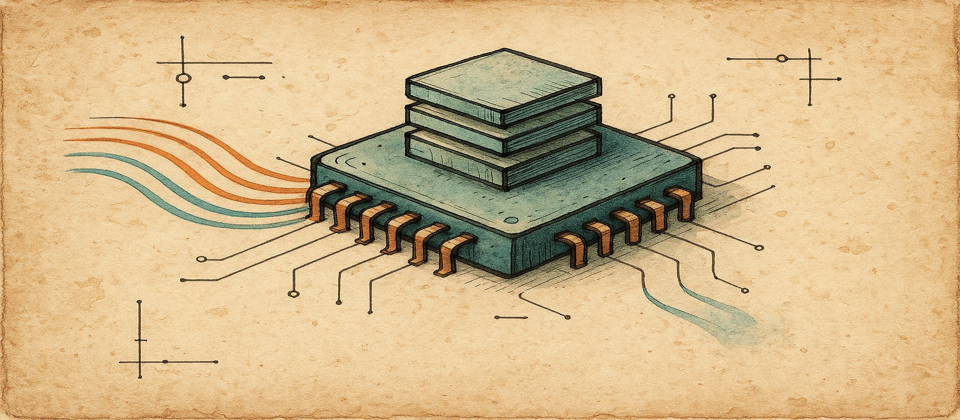
From linkTaalas argues that AI adoption is blocked by latency and cost, and proposes specialized silicon that merges storage and compute to simplify the hardware stack. It introduces the HC1 hard-wired Llama 3.1 8B system with a demo/API and claims 17K tokens/sec per user with 10x speed, 20x lower build cost, and 10x less power.
From commentsHN commenters framed the chip as specialized, low-latency inference rather than general-purpose compute, compared the tokens/sec claims to Nvidia H200 numbers, and debated batch-size tradeoffs and how to interpret the performance comparisons.
No. 5 · HN
From linkJimmy Miller outlines a practical codebase-learning workflow and uses Next.js turbopack as the example: set a learning goal, poke at bugs, and build a visualizer to map execution and structure so questions become concrete without reading everything end-to-end.
From commentsHN replies suggested alternate onboarding tactics like writing tests from closed issues, pointed to GitHub Next repo visualization experiments (with skepticism), and discussed using LLMs as parsing/reading aids when navigating messy code.
No. 6 · HN
From linkBleepingComputer reports that PayPal disclosed a software error in its PayPal Working Capital loan app that exposed customer PII for nearly six months, including SSNs, birth dates, and contact details. PayPal says it discovered the issue in December 2025 and reversed the code change a day later.
From commentsHN discussion mixed breach reactions with personal PayPal account stories, debated the protections of Goods & Services vs Friends & Family payments, and compared dispute handling with Venmo and other payment apps.